
Low Credit Finance Review 2026: The Full Breakdown
Being turned down for credit is rarely about a single missed payment. Thin files, recent address changes, self-employment, and old defaults all push a score into the range where mainstream lenders stop looking. Low Credit Finance sits in that gap: it is not a bank, it is a matching platform that passes one application to a panel of lenders who specialise in higher-risk borrowers.
How the application actually works
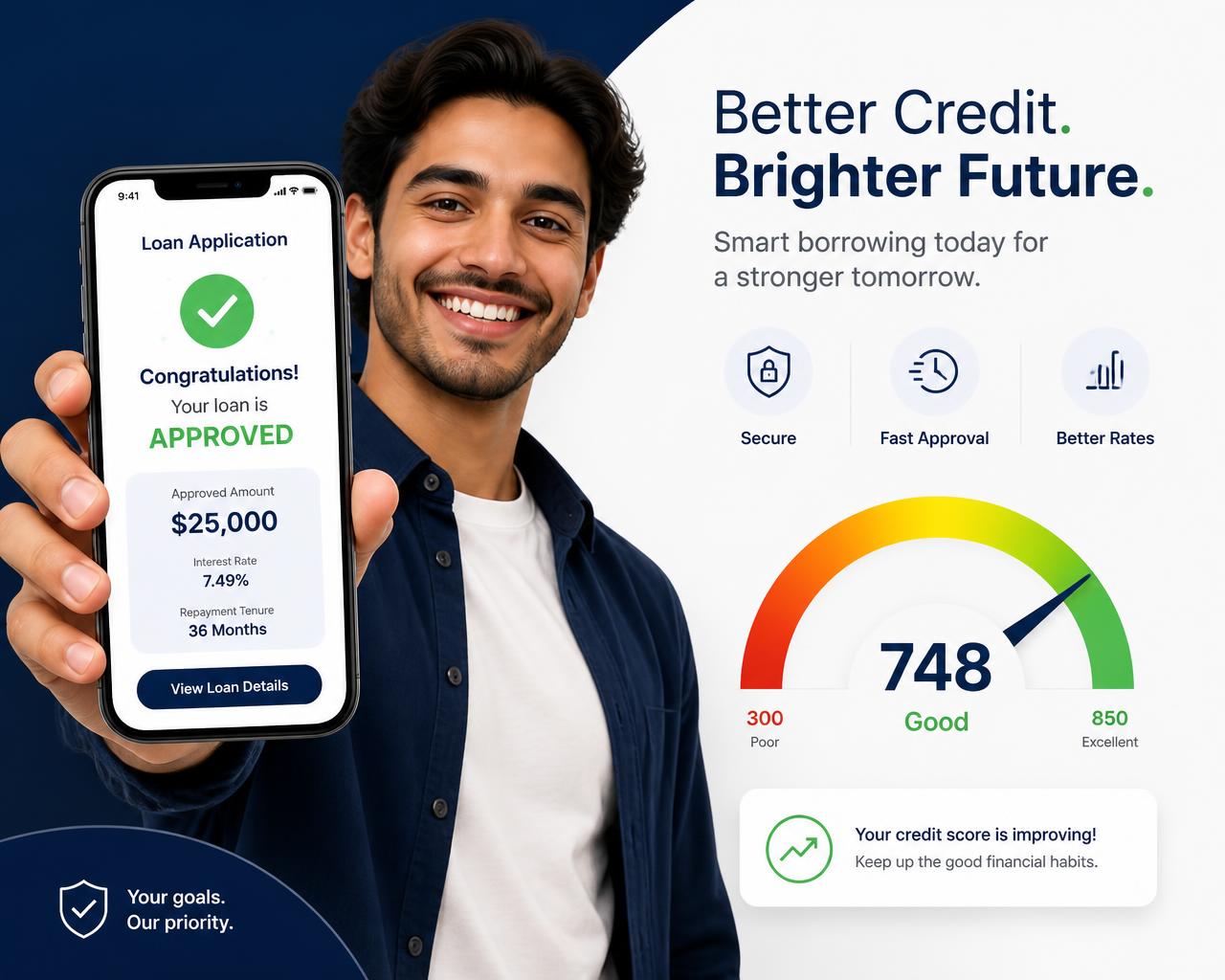
You start with a short form covering the amount you want, the purpose, your income, and your employment status. The platform runs a soft search — visible to you, but not damaging to your score — and returns the lenders willing to consider you. Only after you pick an offer does the chosen lender run a full check and issue documents.
- Typical request range: small emergency amounts up to several thousand dollars.
- Terms usually spread over months, not a single payday repayment.
- Decisions are usually shown in minutes; funding often lands within one business day.
- No fee is charged to use the comparison itself.
What the rates realistically look like
Be honest with yourself here: subprime lending is expensive. Offers surfaced for low-score applicants sit far above prime bank rates, and the exact APR depends on your score band, income stability, and the term you pick. The value of the platform is not a cheap rate — it is seeing several priced offers side by side instead of accepting the first lender who says yes. Compare the total cost of credit, not the monthly payment.
Who it suits
Low Credit Finance makes the most sense if you have been declined elsewhere, need funds quickly, and want to avoid the spiral of overdraft charges or rolling payday debt. Making every payment on time also creates fresh positive history, which is one of the few practical ways to move a damaged score back upward.
Who should skip it
If your score is healthy, a credit union or mainstream personal loan will almost certainly be cheaper. If your budget already cannot absorb a new monthly payment, more borrowing is the wrong tool — a debt advice service is the better call.
Pros and cons
- Pro: designed for low and damaged credit profiles.
- Pro: soft search first, so comparing costs you nothing.
- Pro: one form reaches multiple lenders.
- Con: APRs are high compared with prime lending.
- Con: final terms come from the lender, not the platform.
- Con: approval and amount are never guaranteed.
Our verdict
As a comparison layer for borrowers with poor credit, Low Credit Finance does its job well: the form is quick, the soft check protects your report, and seeing multiple priced offers is genuinely better than applying blind. Treat it as a short-term bridge, borrow the smallest amount that solves the problem, and check the total repayable before you sign. On that basis it is worth an application.
Rating: 4.3 / 5 for low-credit borrowers.